

 Français
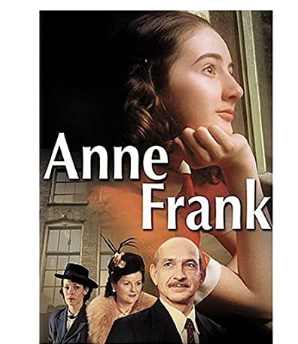
Anne Frank: The Whole Story
Synopsis
This powerful biographical miniseries chronicles the tragic yet inspiring life of Anne Frank, a young Jewish girl hiding with her family from Nazi persecution in Amsterdam. Spanning her ordinary childhood, the claustrophobic years spent concealed in a secret annex, and her ultimate fate in the concentration camps, the narrative provides an intimate look at human resilience. Through her famous diary entries, the film captures her blossoming intellect, youthful dreams, and unyielding hope amidst unimaginable darkness. It is an emotionally devastating and deeply respectful tribute to a timeless historical witness.
The Making of the Film
The project originated from a commitment to adapt the definitive biographical work on Anne Frank with absolute historical fidelity and emotional honesty. The filmmakers sought to move beyond previous generalized adaptations by incorporating newly discovered historical details and family accounts. Inspiration was drawn directly from her published diary, survivor testimonies, and historical archives maintained by the Anne Frank House. The creative team aimed to craft an immersive, respectful portrait that honored her literary legacy and humanized the victims of the Holocaust.
Critical Reception
Critics offered widespread acclaim for the miniseries, praising its emotional restraint, authentic period detail, and stellar ensemble performances. Reviewers noted that the production successfully avoided melodramatic clichés, instead focusing on the daily psychological reality of living in constant fear within a confined space. The young lead performance received universal praise for capturing Anne's vibrant wit, intelligence, and emotional complexity. Critics also commended the unflinching portrayal of the horrors of the concentration camp system in the final act.
Audience reception was profoundly emotional, with viewers worldwide expressing deep admiration for the respectful and sensitive handling of such delicate historical material. Educators and families embraced the production as an invaluable educational tool for teaching younger generations about the Holocaust. The powerful depiction of human solidarity and survival against insurmountable odds left a lasting impression on global television audiences. It remains widely regarded as one of the finest biographical screen adaptations of the iconic diary.
Awards season brought major recognition, including multiple Emmy Award nominations and wins for its outstanding writing, casting, and lead performances. The production was also honored by international human rights and cultural organizations for its exceptional contribution to Holocaust education and remembrance. Guild awards praised the art direction and costume departments for recreating the cramped secret annex with chilling accuracy. These accolades cemented its status as a definitive masterpiece of historical television.
Behind-the-Scenes Stories
The director drew inspiration from period photographs, documentary footage, and the actual architectural blueprints of the Prinsengracht hiding place to ensure absolute spatial accuracy. Every room of the secret annex was painstakingly reconstructed on a soundstage to replicate the exact claustrophobic conditions experienced by the occupants. The production team collaborated closely with historical consultants and surviving acquaintances of the Frank family to capture authentic behavioral nuances. These choices created an atmosphere of chilling realism that deeply affected the cast and crew.
Production presented profound emotional and logistical challenges, requiring the young lead actress to inhabit a deeply taxing psychological space for months of shooting. Constructing multi-level interior sets that allowed for fluid camera movement within cramped hiding quarters demanded innovative cinematic techniques. Shooting the harrowing concentration camp sequences required immense sensitivity and psychological support for all performers involved. Additionally, maintaining historical precision across multiple European locations required rigorous coordination from the production staff.
During the filming of the tense silence sequences—where the family had to remain completely motionless during daytime office hours below—the crew maintained absolute quiet on set. To capture genuine expressions of fear and exhaustion, the director utilized subtle natural lighting and lingering close-up shots. The cast spent weeks bonding prior to filming to establish authentic familial warmth and trust necessary for the dramatic confinement scenes. This immersive preparation resulted in raw, deeply affecting performances.
Casting was a rigorous international search to find a young actress who could embody Anne Frank's unique blend of precocious brilliance, teenage angst, and profound empathy. The chosen lead excelled through extensive auditions by demonstrating natural charisma and emotional depth. Supporting roles were filled with respected international dramatic actors who brought gravitas to the harrowing historical narrative. This thoughtful casting process ensured that the human tragedy resonated with authentic emotional power.
Themes Explored
The narrative deeply explores the triumph of the human spirit, resilience, and the enduring power of hope amidst unspeakable cruelty. It examines the psychological toll of confinement, fear, and systemic persecution. Additionally, it highlights the importance of preserving historical memory and the devastating cost of hatred and bigotry. Ultimately, the film celebrates the immortality of youth and the written word as an eternal testament to human dignity.
Ending Explained
The miniseries concludes with the tragic revelation of the family's betrayal and arrest, followed by their harrowing journey to the camps where Anne ultimately perishes. However, the final moments shift to the survival of her father, Otto Frank, who discovers her recovered diary and shares her inspiring words with the world. This bittersweet resolution emphasizes that while physical lives were extinguished, her enduring voice and message of hope remain immortal.
Meaning of the Title
The title reflects the comprehensive scope of the narrative, aiming to present the full human reality of Anne Frank beyond the sanitized excerpts commonly taught in schools.
Similar Films
Films sharing similar historical themes and Holocaust survival narratives include Schindler's List (1993), The Diary of Anne Frank (1959), and The Boy in the Striped Pyjamas (2008).