

 Français
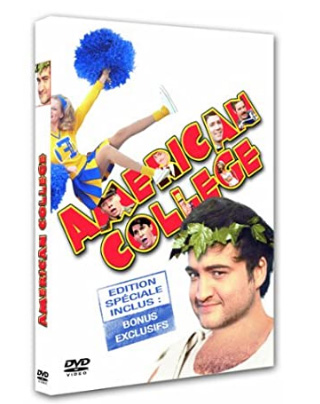
National Lampoon's Animal House
Synopsis
Set in 1962, this anarchic comedy follows the misadventures of Delta Tau Chi, the most rebellious and rowdy fraternity on a conservative college campus. Led by the charismatic John 'Bluto' Blutarsky, the outcast fraternity brothers wage an ongoing war against the pompous Dean Wormer and the elite, snobby Omega Theta Pi house. When the dean threatens to revoke their charter and expel the entire house, the Deltas unleash escalating chaos. The conflict culminates in an unforgettable, chaotic homecoming parade prank that changes campus life forever.
The Making of the Film
The film was inspired by humor pieces written by Doug Kenney and Chris Miller for National Lampoon magazine, drawing heavily on their own college fraternity experiences at Dartmouth. Director John Landis was hired by Universal Pictures to translate the subversive, countercultural humor into a feature-length cinematic narrative. The production embraced an improvisational, high-energy atmosphere that allowed the young ensemble cast to experiment freely on set. Screenwriters Harold Ramis, Douglas Kenney, and Ivan Reitman crafted a script that perfectly captured late-1970s youth rebellion and collegiate satire.
Critical Reception
Upon its release, National Lampoon's Animal House became a massive cultural phenomenon and box-office juggernaut, redefining the modern American comedy genre. Critics were initially divided, with some dismissing its crude humor, while others recognized its brilliant satirical bite and anarchic energy. Reviewers singled out John Belushi's legendary, physical performance as Bluto as an instant cinematic icon. Audiences embraced the film with unmatched enthusiasm, establishing it as the ultimate college comedy classic. Viewers loved its anti-establishment spirit, quotable dialogue, and joyful celebration of youthful chaos. The film earned massive financial success and remains widely cited by critics as one of the funniest and most influential comedies ever produced.
Behind-the-Scenes Stories
John Landis drew inspiration from his own observations of high school and college social hierarchies, aiming to make a movie that felt genuinely subversive. Production challenges included managing a high-spirited young cast that frequently engaged in off-screen pranks mirroring their characters. John Belushi improvised many of his most famous scenes, including the legendary cafeteria food fight and his animalistic noises. The initial casting choices considered Chevy Chase for the role of Otter, but Tim Matheson ultimately secured the part.
Themes Explored
The film explores anti-establishment rebellion, generational conflict, and the rejection of repressive institutional authority. It examines social class divisions within academia and the enduring power of youthful camaraderie.
Ending Explained
The epilogue details the future careers of the Delta brothers through tongue-in-cheek text summaries, revealing that the rowdy slackers went on to achieve surprising professional success, including politics and corporate law. This humorous wrap-up subverts traditional moral expectations, proving that college misbehavior does not dictate a ruined future.
Meaning of the Title
The title refers both to the satirical publication that inspired the film and to the chaotic, zoo-like atmosphere created by the fraternity brothers on campus.
Original Soundtrack
Loaded with classic 1960s rhythm and blues, soul, and rock-and-roll tracks, the soundtrack became a legendary commercial success that fueled the film's nostalgic party atmosphere.
Similar Films
'Caddyshack', 'Revenge of the Nerds', and 'Porky's' share similar raunchy humor, eccentric ensemble casts, and anti-authoritarian college campus high jinks.