

 Français
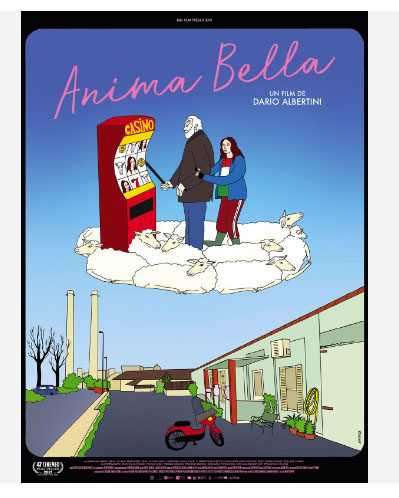
Anima Bella
Synopsis
Set against the rugged, impoverished backdrop of rural Italy, a middle-aged man named Sergio makes a modest living by illegally trading stolen livestock. Burdened by debt and desperate to provide for his family, he navigates a dangerous underworld of criminals and corrupt middlemen. When an unexpected opportunity arises to change his life, he must choose between continuing his perilous cycle of crime or seeking honest redemption. The film offers a raw, neorealistic look at human dignity amidst harsh economic struggles.
The Making of the Film
Director Dario Albertini crafted this gritty, independent Italian drama, continuing his signature style of blending documentary realism with narrative fiction. The production utilized real non-professional actors and authentic rural Italian locations to capture genuine socioeconomic grit. Filmmakers aimed to honor the rich tradition of Italian neorealism while examining contemporary rural poverty. The focus remained on emotional authenticity and human resilience.
Critical Reception
Critics praised the film for its uncompromising commitment to Italian neorealistic traditions and its powerful, unglamorous depiction of rural hardship. Reviewers commended the hauntingly authentic lead performance by non-professional actor Luciano Miele and the atmospheric cinematography. Some critics noted that the deliberate pacing required patience from viewers. Overall, it was hailed as a triumph of independent European arthouse cinema.
Audiences who appreciate gritty arthouse dramas and social realism found the film to be deeply moving and eye-opening. Viewers praised its refusal to offer Hollywood-style easy resolutions, reflecting the harsh truths of economic desperation. The stark rural landscapes and emotional honesty resonated with festival-goers. It earned praise for its respectful portrayal of marginalized working-class struggles.
Premiering at notable European film festivals, the movie earned critical acclaim and nominations for its directorial vision and screenplay. Its authentic contribution to contemporary Italian neorealism was celebrated by cultural critics. The film solidified Dario Albertini's reputation as a vital voice in modern independent cinema.
Behind-the-Scenes Stories
Director Dario Albertini drew inspiration from classical Italian neorealism and real-life stories of economic survival in rural European communities. He wanted to highlight the quiet dignity of individuals caught in cycles of poverty and illegal trade. Choosing authentic local settings was crucial to maintaining the gritty realism of the narrative.
Working with non-professional actors required a patient, documentary-style directorial approach to draw out natural, unforced performances. Navigating remote rural locations with limited indie budgets presented logistical hurdles for the camera crew. Maintaining consistent lighting across unpredictable weather conditions demanded high adaptability from the technical staff.
During the livestock trading scenes, director Albertini allowed the actors to interact with real farmers and animals to capture genuine working rhythms. The dialogue was kept sparse, relying heavily on physical expressions and environmental details to convey emotion. This immersive approach gave the film its documentary-like immediacy.
Luciano Miele was cast in the leading role, bringing a haunting, lived-in authenticity that anchored the entire film. The supporting cast featured local inhabitants recruited from the region to ensure cultural and linguistic accuracy. The casting strategy prioritized genuine life experience over traditional acting polish.
Themes Explored
The film explores systemic poverty, moral compromise, human dignity, and the difficult path toward personal redemption. It examines how economic desperation forces ordinary people into illegal survival mechanisms. The narrative ultimately celebrates the resilience of the human spirit amidst crushing hardship.
Ending Explained
Sergio reaches a moral crossroads where he successfully settles his immediate debts but realizes the heavy personal toll his lifestyle has taken on his soul. Choosing a quieter, honest path forward, he steps away from the criminal underworld despite the uncertainty of his financial future. The ending offers a subtle, realistic glimmer of hope, suggesting that reclaiming one's dignity is more valuable than wealth.
Meaning of the Title
The title "Anima Bella," translating from Italian as "Beautiful Soul," offers an ironic yet poignant commentary on the protagonist's inner humanity amidst a harsh, criminal lifestyle. It signifies that beneath Sergio's rough exterior and illegal activities lies a person striving to protect his core integrity. The title encapsulates the film's thematic search for goodness in bleak circumstances.
Latest News
The film continues to be celebrated in international arthouse film circles and specialized streaming platforms.
Similar Films
Fans of gritty social realism will enjoy Gomorrah (2008), Lazzaro Felice (2019), Dogman (2018), and Bicycle Thieves (1948), all exploring the ethical struggles of ordinary people in hard times.