

 Français
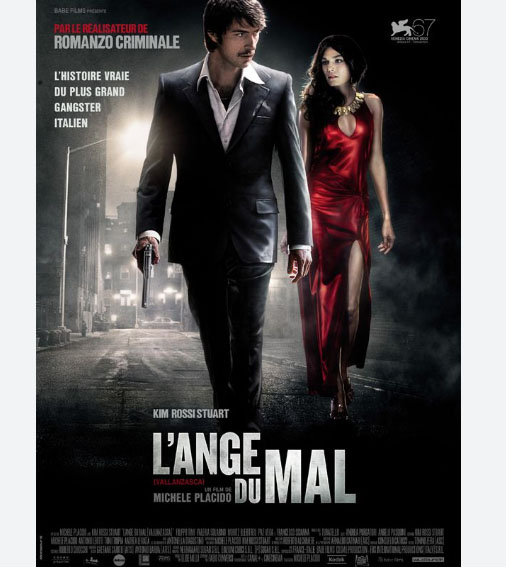
Angel of Evil
Synopsis
Set against the backdrop of 1970s and 1980s Milan, the film chronicles the meteoric rise and fall of Renato Vallanzasca, a charismatic and ruthless Italian gangster. From humble beginnings as a petty criminal, Vallanzasca builds a powerful syndicate through bank robberies, kidnappings, and brutal turf wars. As his fame grows in the media, his arrogance leads to clashes with both rival gangs and law enforcement. Ultimately, his lifestyle of extreme violence catches up with him, leading to multiple life sentences in prison.
The Making of the Film
Director Michele Placido sought to bring the turbulent true-crime history of one of Italy's most notorious criminals to the screen with unflinching realism. The production was adapted from the biographical book Il fiore del male, written by Carlo Bonini and Renato Vallanzasca himself. Placido aimed to avoid glorifying the criminal lifestyle while still capturing the magnetic charm that made Vallanzasca a media sensation. The filmmakers meticulously recreated the vintage fashion, classic automobiles, and gritty urban landscapes of Milan during the '70s and '80s.
Critical Reception
Professional critics praised the film's fast-paced direction, stylish cinematography, and the powerhouse lead performance by Kim Rossi Stuart. Many appreciated the film's refusal to paint the protagonist as a simple hero, instead portraying his narcissism and destructive nature clearly. Audiences were captivated by the adrenaline-fueled action sequences and the dramatic biographical narrative. The film received several David di Donatello nominations and awards for its exceptional technical and acting achievements.
Behind-the-Scenes Stories
Actor Kim Rossi Stuart spent extensive time meeting with the real Renato Vallanzasca in prison to study his mannerisms, speech patterns, and intense charisma. The production faced logistical challenges while filming action sequences in historic districts of Milan without disrupting modern city traffic. Director Michele Placido encouraged the cast to improvise certain dialogue exchanges to maintain a raw and gritty documentary feel. The wardrobe department painstakingly recreated authentic 1970s Italian gangster fashion using vintage garments.
Themes Explored
The film explores the intoxicating allure of crime, celebrity culture, and the consequences of unbridled narcissism. It examines how media sensationalism can turn violent criminals into anti-hero icons in the public eye. Betrayal, loyalty, and the inescapable cycle of violence are also central motifs throughout the rise and fall of the syndicate.
Ending Explained
The story concludes with Vallanzasca finally captured by law enforcement after a series of betrayals and relentless police pursuits, facing a lifetime behind bars. Despite his imprisonment, his defiant spirit remains intact as he reflects on his chaotic life of notoriety. The resolution emphasizes that crime ultimately leads to isolation and eternal confinement.
Meaning of the Title
The original Italian title Vallanzasca - Gli angeli del male refers directly to the nickname given to the protagonist and his criminal gang by the Italian media during their reign of terror.
Similar films include Gomorrah, Romanzo Criminale, and Goodfellas for their gritty and realistic portrayals of organized crime.