

 Français
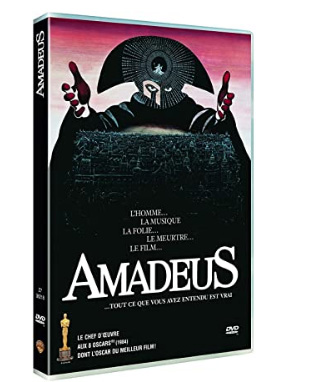
Amadeus
Synopsis
This magnificent historical drama chronicles the fictionalized rivalry between court composer Antonio Salieri and the immensely talented, eccentric musical genius Wolfgang Amadeus Mozart in 18th-century Vienna. Told through the guilt-ridden recollections of an aging Salieri confined to an asylum, the narrative explores the divine injustice of bestowing absolute genius upon an immature prankster. As Salieri wages a jealous psychological war against Mozart, he witnesses the creation of immortal masterpieces alongside the composer's tragic self-destruction. It is a visually lavish, emotionally shattering masterpiece of cinema.
The Making of the Film
The project originated from Peter Shaffer's acclaimed Tony Award-winning stage play 'Amadeus', which explored the psychological torment of artistic envy. Director Milos Forman sought to translate the theatrical brilliance of the play into a cinematic feast by shooting on location in historic Prague and utilizing authentic 18th-century styling. Inspiration was drawn from Mozart's actual letters, historical biographies, and classical music history. The creative team aimed to blend high art with accessible human drama, focusing on the universal emotion of professional jealousy.
Critical Reception
Critics offered universal, rapturous acclaim, praising the film's breathtaking direction, brilliant screenplay, stunning costume design, and iconic lead performances. Reviewers noted that F. Murray Abraham and Tom Hulce delivered career-defining portrayals that captured the complex psychological dynamics between bitter envy and effortless genius. The seamless integration of Mozart's immortal compositions throughout the narrative was highlighted as a transcendent cinematic achievement. It was immediately recognized as a landmark triumph in biographical filmmaking.
Audience reception was overwhelmingly positive, driving the film to tremendous box office success and enduring cultural status worldwide. Viewers on public platforms praised the gripping emotional narrative, witty dialogue, and the vibrant depiction of classical court life. Fans of classical music and history celebrated its respectful yet daringly unconventional storytelling approach. Word-of-mouth cemented its reputation as an essential timeless classic.
Awards season brought historic triumph, dominating the Academy Awards with eight Oscars including Best Picture, Best Director, Best Actor for F. Murray Abraham, and Best Adapted Screenplay. The film also swept international ceremonies, earning massive praise for its artistic direction, sound, and makeup achievements. These accolades cemented its status as one of the greatest cinematic achievements of the twentieth century.
Behind-the-Scenes Stories
The director drew aesthetic inspiration from 18th-century rococo paintings and architectural blueprints to establish the opulent, candle-lit visual style of the court scenes. Every palace, opera house, and cobblestone street in Prague was utilized to recreate historic Vienna with breathtaking authenticity. The production team collaborated with classical music historians to ensure that musical performances and conducting techniques matched period practices. These artistic choices created a fully immersive, sensory-rich historical world.
Production presented fascinating logistical challenges, particularly in securing permission to film extensively inside historic Prague locations that had remained largely untouched by modern development. The costume department handcrafted hundreds of elaborate silk gowns, powdered wigs, and tailored velvet coats under rigorous historical guidelines. Actors underwent intensive musical training to convincingly play instruments and conduct orchestras on screen. Furthermore, managing complex lighting setups using thousands of real candles required meticulous safety coordination.
During the filming of the opera sequences, the director utilized live playback of Mozart's music to capture authentic acoustic resonance and actor reactions. To maintain absolute psychological intensity during dramatic confrontations, Tom Hulce and F. Murray Abraham engaged in rigorous rehearsal sessions. The crew utilized natural window light and warm candle illumination to enhance the painterly beauty of the frames. This immersive dedication resulted in mesmerizing performances.
Casting was a masterclass in assembling exceptional theatrical talent, deliberately choosing lesser-known film actors to maintain complete dramatic credibility. F. Murray Abraham and Tom Hulce were selected for their profound ability to convey complex psychological obsession and unbridled artistic expression. Supporting roles were filled with acclaimed European stage actors who anchored the royal court in believable intrigue. This targeted casting strategy elevated the biographical drama to legendary heights.
Themes Explored
The narrative deeply explores themes of consuming envy, mediocrity versus divine genius, and the psychological torment of comparison. It examines the relationship between art and the divine, questioning why supreme talent is given to the unworthy. Additionally, it highlights obsession, self-destruction, and the pursuit of immortality through legacy. Ultimately, the film reflects on mortality, judgment, and the eternal power of music.
Ending Explained
The story concludes with Salieri receiving Mozart's final confession while the young composer dies penniless, leaving Salieri to realize he will forever be the patron saint of mediocrity. As Salieri is wheeled through the asylum absolving all the mediocre souls of the world, his bitter laughter underscores his eternal psychological defeat. This haunting resolution emphasizes that true genius outlives all human malice.
Meaning of the Title
The title incorporates Mozart's middle name, which translates from Latin to "loved by God," serving as the central ironic theme of the narrative.
Original Soundtrack
The legendary musical soundtrack, supervised and conducted by Sir Neville Marriner, became one of the best-selling classical music albums in history, celebrating Mozart's timeless genius.
Similar Films
Films sharing similar artistic obsession and biographical depth include Immortal Beloved (1994), Shine (1996), and The Red Violin (1998).