

 Français
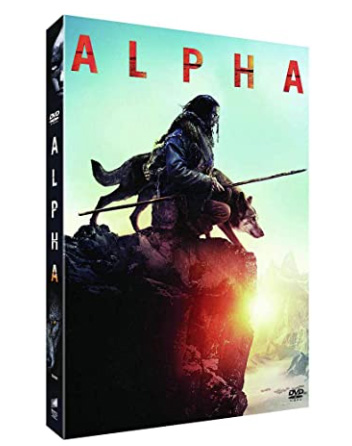
Alpha
Synopsis
Set during the last glacial maximum 20,000 years ago in prehistoric Europe, a young hunter named Keda embarks on his tribe's annual perilous hunt for survival. During a fierce bison attack, Keda is thrown off a sheer cliff face and left for dead by his grieving kinsmen. Miraculously surviving the fall, he finds himself injured and stranded alone in a vast, unforgiving wilderness filled with dangerous predators. While trying to find his way home, he encounters an injured wolf left behind by its pack and slowly nurses it back to health. Together, this unlikely pair must overcome brutal winter conditions, starvation, and wild beasts in a timeless journey of trust.
The Making of the Film
Director Albert Hughes conceived the project as a sweeping prehistoric epic that would explore the ancient, symbiotic origin of humanity's bond with domestic dogs. Inspired by historical archeological theories regarding canine domestication during the Upper Paleolithic era, Hughes wanted to craft a visually stunning survival story told largely through environment and action. The production was designed to showcase the harsh beauty of the ice age landscape using cutting-edge digital cinematography and authentic historical framing.
Critical reception and review
Professional critics praised the film for its breathtaking cinematography, striking natural landscapes, and the impressive visual effects used to bring the prehistoric world and animal companion to life. Reviewers noted that the storytelling relied effectively on universal visual emotion rather than heavy dialogue, making the central bond feel remarkably genuine. Some critics felt that the narrative structure followed familiar survival tropes, but the overall technical ambition and atmosphere won over most audiences. Audiences appreciated the heartfelt adventure and the unique historical setting, making it a refreshing change of pace within modern adventure cinema. Viewers connected strongly with the emotional loyalty displayed between the young hunter and the wolf. Commercially, the film enjoyed a modest box office run, finding a dedicated audience through home media and streaming releases. It earned recognition in various visual effects and cinematography award circles for its immersive ice-age aesthetic.
Filming anecdotes
Director Albert Hughes drew heavy inspiration from classic wilderness survival films, prehistoric anthropology, and wildlife documentaries to ensure environmental authenticity. The production required extensive location shooting in rugged regions of Canada and Iceland, presenting severe weather and logistical challenges for the cast and crew. Working closely with trained wolf actors on remote snowy terrain demanded immense patience and specialized animal handlers to capture natural interactions safely. Before the lead role of Keda was cast, several young actors were scouted internationally to find someone capable of carrying a largely non-verbal, physically demanding survival role.
Themes explored
The narrative deeply explores the dawn of the relationship between humans and animals, highlighting how mutual empathy bridged the gap between two different species. It examines individual resilience, coming-of-age trials, and the transition from boyhood to responsible tribal hunter. Themes of isolation, perseverance against harsh natural elements, and adaptability are central as Keda learns to respect the laws of the wild. Additionally, it touches upon ancestral legacy and the deep familial bonds that drive a young man back across the frozen continent.
Explanation of the ending
Meaning of the title
The Revenant, Quest for Fire, Into the Wild, Apocalypto