

 Français
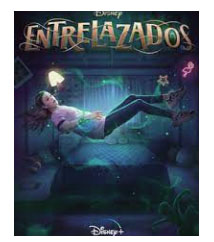
Allegra
Synopsis
This charming, vibrant musical coming-of-age drama television series follows Allegra, an ambitious, talented teenage dancer and singer working at the historic Once Upon a Time theater in Buenos Aires where her estranged grandmother Cocó—a legendary musical theater star—once ruled the stage. Feeling constantly overshadowed by her mother's high expectations and family theatrical legacy, Allegra discovers a mysterious magical vintage vinyl record in her dressing room that suddenly transports her back in time to 1994 when her mother was her exact age, allowing Allegra to witness family secrets, mend generational wounds, and understand the true cost of chasing artistic dreams. It is a delightful, musical time-slip triumph.
The Making of the Film
The project originated from Disney+ Latin America and creators Leandro Mark and Nicolás Silbert's ambition to craft a high-energy, musical time-travel series combining catchy original songs, energetic choreography, and multi-generational family drama. Filmmakers sought to capture the magical nostalgia of musical theater while appealing to contemporary teenage audiences through modern pop anthems and time-slip mysteries. Inspiration was drawn from classic Broadway musical traditions, Latin American pop culture, and magical realist time-travel stories. The creative team aimed to produce a glittering family crowd-pleaser.
Critical Reception
Critics offered generally favorable reviews, praising the series' catchy musical numbers, vibrant Buenos Aires theater set designs, and lead actress Lara Pirotton's charming, energetic performance. Reviewers noted that the production successfully blended emotional family reconciliation with upbeat Disney-style musical sequences that resonated with young audiences across Latin America and international streaming markets. The colorful 1994 time-slip wardrobe received universal applause. It was celebrated as a major streaming hit on Disney+.
Audience reception was warm among teenage families and musical theater enthusiasts, driving strong global streaming engagement. Viewers on public platforms praised the catchy pop songs, sweet grandmother-granddaughter emotional arcs, and clever time-travel paradoxes. Fans of musical series appreciated its high production values. Word-of-mouth sustained strong long-term family popularity.
Awards season brought recognition from various regional television showcases, honoring the series' original soundtrack and choreography. Critics' associations acknowledged the vibrant visual design and family appeal. These accolades cemented its status as a successful musical streaming series.
Behind-the-Scenes Stories
The directors drew visual inspiration from classic musical theater stages, vintage 1990s fashion catalogs, and vibrant Buenos Aires architectural framing to establish a cheerful aesthetic. Every location, from the grand historic theater backstage to cozy family apartments, was constructed with meticulous detail. The production team collaborated with professional choreographers and songwriters to curate original Latin pop anthems. These artistic choices created a whimsical musical world.
Production presented fun logistical challenges, particularly in coordinating large-scale musical theater dance numbers and complex time-slip wardrobe changes across different decades. The young cast brought infectious enthusiasm to recording vocal tracks and executing dance rehearsals. Furthermore, maintaining strict continuity across dual timeline settings demanded obsessive script supervision from creators.
During the filming of the grand theater finale musical numbers, the cast executed their high-energy choreography amidst glittering stage lights with total professional commitment. To maintain comedic and emotional timing, Mark and Silbert encouraged playful energy. The crew utilized bright, saturated lighting. This rigorous dedication resulted in standout musical moments.
Casting was anchored by securing talented young actress Lara Pirotton as Allegra, alongside veteran musical star Paola Miguel and iconic actress Marcela Morelo. This targeted casting strategy drove initial family visibility.
Themes Explored
The narrative deeply explores themes of generational family curses, musical theater passion, and understanding parents through time travel. It examines teenage self-doubt, uncovering family secrets, and pursuing artistic dreams against all odds. Additionally, it highlights reconciliation, empathy, and the magic of theater. Ultimately, the film reflects on legacy, love, and the healing power of music.
Ending Explained
Allegra successfully resolves the ancient family rift across timelines by helping her young mother find her own voice on stage in 1994, returning to the present day to find her family completely healed, proud, and united around their shared love of theater. In the joyful final scene, Allegra performs a triumphant lead musical number on the historic stage alongside her mother and grandmother. The heartwarming conclusion celebrates absolute family harmony.
Meaning of the Title
The title directly references the passionate teenage protagonist whose musical journey drives the time-slip narrative ("Allegra").
Similar Films
Films and series sharing similar musical theater, time-travel family drama, and teen aspirations include High School Musical (2006), Back to the Future (1985), and Julie and the Phantoms (2020).