

 Français
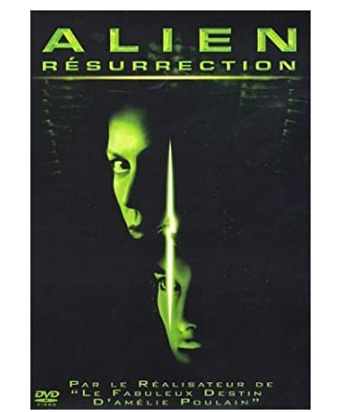
Alien Resurrection
Synopsis
Two hundred years after her heroic self-sacrifice on Fiorina 'Fury' 161, Ellen Ripley is genetically cloned aboard a military research vessel named the USM Auriga. The military scientists, led by unscrupulous researchers, intend to extract the alien queen embryo that was growing inside her at the time of her death. However, the cloning process mixes human and alien DNA, granting Ripley enhanced physical abilities, acidic blood, and fragmented memories, while the captured aliens inevitably break free. Teaming up with a rugged crew of space smugglers led by a cynical mechanic named Call, Ripley must fight her way through the infested spaceship. Together, they must prevent the nightmarish hybrid creatures from reaching Earth.
The Making of the Film
Following the completion of the original trilogy, 20th Century Fox sought to revive the lucrative sci-fi franchise with a fresh script penned by Joss Whedon. French visionary director Jean-Pierre Jeunet was hired to bring his unique stylized aesthetic and dark surrealist sensibility to the universe. The core inspiration stemmed from the provocative scientific premise of cloning, exploring what happens when the boundary between human and alien biology is genetically blurred.
Critical reception and review
Professional critics offered polarized reviews, with some praising Jean-Pierre Jeunet's distinct visual flair, dark humor, and high-energy stylistic choices. Other reviewers felt that the narrative relied too heavily on campy B-movie tropes and outlandish science fiction concepts that drifted far from the atmospheric tension of the originals. Sigourney Weaver received widespread praise for effortlessly stepping back into the iconic role with a compelling, detached edge brought on by her character's hybrid clone nature. Audiences responded with moderate enthusiasm, appreciating the fast-paced action, gruesome creature effects, and the quirky ensemble cast. Viewers found the distinct visual style and unconventional tone to be an interesting, albeit strange, addition to the franchise legacy. Commercially, the film enjoyed a solid international box office run, satisfying studio expectations for a fourth installment. It earned nominations at various Saturn Awards for its imaginative direction, creature design, and lead performance.
Filming anecdotes
Director Jean-Pierre Jeunet drew inspiration from classic comic books, European graphic novels, and surrealist art to craft the distinct, grimy aesthetic of the research vessel. The production faced unique communication hurdles, as Jeunet spoke very little English at the beginning of and relied heavily on his longtime collaborators to execute his vision. A famous basketball-hoop trick shot performed by Sigourney Weaver behind her back without looking was achieved naturally on set after weeks of practice without CGI. Before Jean-Pierre Jeunet was selected to direct, several notable genre directors were considered to bring Joss Whedon's script to the screen.
Themes explored
The narrative deeply explores the ethics of genetic engineering, scientific hubris, and the consequences of playing creator with forbidden biology. It examines identity, alienation, and what truly defines humanity when a character possesses both human consciousness and alien DNA. Themes of maternal instinct and twisted parent-child dynamics are prevalent through the tragic relationship between Ripley and the human-alien hybrid creature. Additionally, it touches upon military corruption and the dangers of weaponizing uncontrollable biological forces.
Explanation of the ending
Meaning of the title
Alien, Aliens, Alien 3, Predator