

 Français
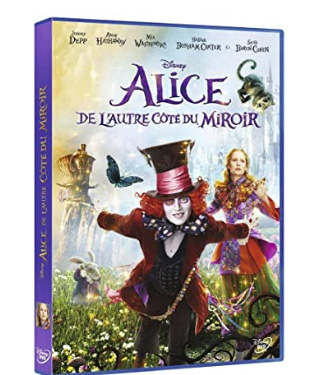
Alice Through the Looking Glass
Synopsis
Returning to the whimsical realm of Underland after years at sea, Alice Kingsleigh discovers that the Mad Hatter is fading away in deep sorrow over his presumed-lost family. To save her eccentric friend, she must borrow the Chronosphere from Time himself and journey backward through historical epochs to alter the past. Along the way, she confronts the bitter childhood origins of the Red and White Queens and races against ticking clockwork mechanics. Her perilous temporal adventure unlocks family secrets and tests the very fabric of time.
The Making of the Film
Director James Bobin took over the fantasy franchise helm from Tim Burton, adapting elements loosely from Lewis Carroll's classic sequel novel 'Through the Looking-Glass'. The inspiration stemmed from Disney's desire to continue the financial success of the 2010 billion-dollar predecessor while exploring fresh temporal paradoxes. The production team aimed to construct an even more vibrant, colorful Wonderland filled with elaborate Victorian costumes and intricate clockwork set designs. The script was crafted to delve deeper into the backstories of beloved inhabitants.
Critical and Reception
Professional critics gave generally negative reviews, criticizing the cluttered script, excessive CGI visuals, and confusing time-travel mechanics, despite praising the colorful costume design and Sacha Baron Cohen's comedic performance as Time. Audiences provided a modest box-office return, performing significantly lower than the original film. Reviewers noted that while the visual flair remained high, the narrative lacked Carroll's literary charm. The movie settled into a niche as a minor fantasy sequel.
Filming Anecdotes
Director James Bobin drew inspiration from Victorian Lewis Carroll literature, steampunk clockwork engineering, and whimsical fantasy art. Production faced intricate scheduling challenges coordinating elaborate green-screen soundstages and complex costume fittings in London. During the massive clock chamber sequences, Sacha Baron Cohen improvised several comedic lines that enhanced his portrayal of Time. The studio fully supported reuniting the original star cast including Johnny Depp and Mia Wasikowska.
Themes Explored
The film explores time, forgiveness, family reconciliation, changing the past, and growing up. It examines how dwelling on historical regrets prevents emotional healing. Friendship serves as Alice's primary motivating force. Additionally, clockwork mechanics provide a fantastical backdrop.
Explanation of the Ending
The narrative concludes with Alice successfully returning the Chronosphere, saving the timeline and the Mad Hatter from fading away, while reconciling with her grieving mother in the real world and embarking on independent maritime trade adventures. Time forgives her transgression, and Underland returns to peaceful harmony. The final scenes show Alice sailing proudly into the horizon. The resolution provides a cheerful, feel-good closure to the fantasy adventure.
Meaning of the Title
The title refers directly to Lewis Carroll's famous sequel book and the magical looking-glass mirror that acts as a portal between Victorian England and the fantasy world of Underland. It signifies inversion, time travel, and parallel realities. The name creates an instantly recognizable hook for a fantasy sequel. It captures the core premise of the narrative.
There are no recent major developments or active news items regarding this film.