

 Français
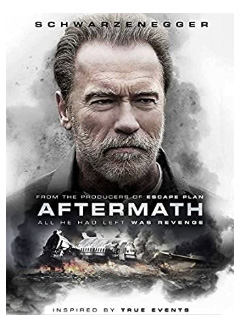
Aftermath
Synopsis
A grieving construction worker seeks accountability after a tragic mid-air plane collision caused by air traffic control negligence claims the lives of his pregnant wife and daughter. Consumed by sorrow and anger, he desperately wants an apology from the distracted controller whose mistake shattered his world. Meanwhile, the air traffic controller struggles with severe psychological trauma and a fractured family life under a new hidden identity. Their paths inevitably cross in a tense confrontation driven by grief, vengeance, and remorse. The tragic encounter forces both men to face the devastating human cost of a split-second professional error.
The Making of the Film
Director Elliott Lester and screenwriter Javier Gullón developed the film based on the real-life 2002 Überlingen mid-air collision and the subsequent assassination of air traffic controller Vitaly Kaloyev by grieving architect Kosta Kaloyev. The filmmakers wanted to explore the psychological aftermath of tragedy, focusing on grief and moral responsibility rather than standard action thrills. Darren Aronofsky came on board as a producer to help champion the dark, character-driven drama. The production aimed to treat a sensitive real-life disaster with emotional dignity and psychological depth.
Critical Reception
Professional reviews were mixed, with critics praising Arnold Schwarzenegger's surprisingly subdued and emotional dramatic performance as a grieving father. Reviewers noted that the film offered a somber and respectful look at sorrow, though some felt the pacing lagged during the middle acts. Critics were divided on whether the thriller elements in the final act detracted from the intimate character study.
Public reception was generally favorable among fans of dramatic thrillers who appreciated seeing Schwarzenegger step outside his usual action hero persona. Viewers found the emotional weight of the tragedy compelling, though it flew under the radar commercially compared to blockbuster releases. Word-of-mouth helped it maintain a steady presence on streaming platforms.
Awards recognition was minimal, reflecting its independent distribution profile, though Schwarzenegger's dramatic pivot earned praise from niche film communities.
Shooting anecdotes
Director Elliott Lester drew inspiration from classic European art-house dramas that focus on slow-burn psychological tension and grief.
Production faced logistical challenges filming in realistic industrial locations across Ohio to simulate the bleak atmosphere of post-accident mourning.
During the filming of the emotional cemetery sequences, Arnold Schwarzenegger channeled personal introspection to capture raw vulnerability on camera.
Initial casting discussions focused on finding an iconic action star willing to completely shed his tough-guy image for a deeply vulnerable dramatic role.
Themes explored
The film explores grief, vengeance, guilt, forgiveness, and the human cost of professional negligence. It examines how trauma isolates individuals from society and family. It also highlights the heavy burden of remorse following accidental tragedy.
Explanation of the ending
The ending reveals the tragic confrontation where the father confronts the retired air traffic controller before ultimately deciding against cold-blooded murder, though a final twist brings a sorrowful conclusion. It underscores the haunting realization that revenge cannot bring back the dead or heal broken hearts.
Meaning of the title
The title refers directly to the emotional and physical consequences left in the wake of a catastrophic disaster.
The Pledge, Mystic River, In the Bedroom, Collateral Damage