

 Français
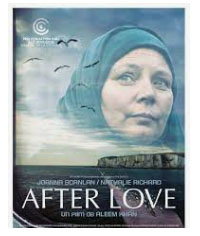
After Love
Synopsis
This poignant, deeply moving British drama masterpiece follows Mary, an ordinary English woman who converted to Islam upon marrying her husband Ahmed decades ago and has lived a quiet, devoted married life in the coastal town of Dover. Following Ahmed's sudden, unexpected death, Mary makes the shocking discovery that her late husband maintained a secret, double life across the English Channel in Calais, France, where he kept a French mistress and raised a teenage son. Desperate for answers and driven by a mixture of grief and betrayal, Mary travels across the ferry to Calais and impulsively decides to confront the mistress face-to-face, leading to an extraordinary, unexpected human connection. It is a stunning, beautifully acted masterclass in emotional complexity.
The Making of the Film
The project originated from writer-director Aleem Khan's deeply personal inspiration, drawing from his own multicultural upbringing in the UK and observing women in his family navigating grief, cultural identity, and complex marital betrayals. Khan spent years developing the script to ensure that the delicate cross-cultural dynamics between the British Muslim widow and the French Christian mistress avoided simplistic villain-victim tropes, instead exploring shared human empathy. Inspiration was drawn from real-life family secrets, Dover coastal landscape isolation, and European art-house humanist cinema. The creative team aimed to produce an unforgettable indie masterpiece.
Critical Reception
Critics offered widespread, rapturous acclaim, praising Aleem Khan's visionary debut direction, luminous cinematography, and the phenomenal powerhouse lead performances by Joanna Scanlan and Nathalie Richard. Reviewers noted that Khan successfully crafted a deeply empathetic character study that upended conventional adultery melodramas, offering instead a profound meditation on grief, loneliness, and forgiveness. Joanna Scanlan's devastating, career-defining portrayal of Mary received universal applause and swept major awards ceremonies. It was immediately recognized as an independent cinema triumph.
Audience reception was deeply moved and emotionally overwhelmed, driving the film to strong international art-house success and earning critical acclaim across global film festivals. Viewers on public platforms praised the tear-jerking emotional confrontations, brilliant Dover-Calais ferry symbolism, and the complex surrogate sisterhood dynamic between the two women. Fans of international drama celebrated its supreme empathy. Word-of-mouth sustained strong long-term prestige.
Awards season brought major triumph, sweeping the British Academy Film Awards (BAFTA) with Joanna Scanlan winning Best Actress, alongside multiple British Independent Film Awards (BIFA) for Best Film, Best Director, and Best Screenplay. Critics' associations praised the film for its stylistic brilliance and narrative originality. These accolades cemented its status as a premier masterpiece of modern British drama.
Behind-the-Scenes Stories
The director and production team drew visual inspiration from European art-house dramas, moody coastal photography, and painterly domestic framing to establish a cool, melancholic aesthetic. Every location—from Mary's drafty, clutter-filled Dover house to the chilly Calais apartment—was carefully styled to reflect the emotional displacement and cultural identities of the characters. The production team collaborated with cultural advisors to ensure that Mary's daily Islamic devotional routines and grief rituals were portrayed with absolute dignity and realism. These artistic choices created an authentic art-house world.
Production presented fascinating logistical and technical hurdles, requiring lead actress Joanna Scanlan to deliver a physically and emotionally demanding performance that required learning conversational French and mastering complex emotional transitions. Nathalie Richard brought profound grace and vulnerability to the role of the French mistress Geneviève. Furthermore, maintaining strict emotional consistency across cross-channel ferry locations demanded obsessive focus from Aleem Khan and the crew.
During the filming of the pivotal emotional kitchen confrontation sequences where Mary and Geneviève finally share a quiet moment of understanding, Joanna Scanlan and Nathalie Richard executed their delicate dialogue with total fearless commitment. To maintain authentic tension, Khan utilized long, unbroken master shots. The crew utilized muted color grading to accentuate the autumnal mood. This rigorous dedication resulted in immortal cinematic moments.
Casting was anchored by securing veteran British actress Joanna Scanlan in a career-defining lead role that showcased her profound dramatic depth, alongside French actress Nathalie Richard. Newcomer Talid Ariss delivered a breakout performance as the teenage son Solomon. This targeted casting strategy was the absolute secret to the film's success.
Themes Explored
The narrative deeply explores themes of grief, marital betrayal, and cross-cultural empathy between women bound by the same man. It examines identity, faith conversion, and the loneliness of aging in quiet coastal towns. Additionally, it highlights forgiveness, motherhood, and finding unexpected sisterhood in the aftermath of tragedy. Ultimately, the film reflects on time passing, sorrow, and the quiet mysteries of human connection.
Ending Explained
Mary finally shares a tender, unspoken moment of grace with her late husband's French son Solomon before boarding the ferry back to Dover, having found a strange, heartbreaking closure that allows her to release her anger and redefine her own independent identity. In the haunting final shot, Mary walks along the White Cliffs of Dover with quiet resolve, carrying her faith and her renewed spirit into the future. The moving resolution underscores the healing power of forgiveness.
Meaning of the Title
The title directly references the emotional and physical aftermath of losing a spouse and moving past romantic devotion ("After Love").
Similar Films
Films sharing similar grief, marital secrets, and complex female relationship drama themes include In the Bedroom (2001), 45 Years (2015), and Ordinary People (1980).