

 Français
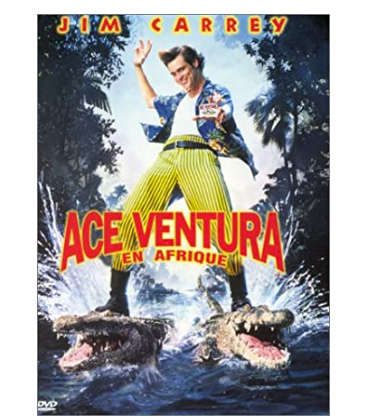
Ace Ventura: When Nature Calls
Synopsis
After a disastrous rescue mission leaves him emotionally devastated, eccentric animal detective Ace Ventura retreats to a Tibetan monastery. His peaceful existence is interrupted when he is asked to locate a sacred white bat that has disappeared from an African kingdom. The animal's disappearance threatens to trigger a conflict between two rival tribes. Ace travels to Africa, where his outrageous behavior and unconventional investigative methods create chaos wherever he goes. His mission becomes a spectacular series of comic adventures involving wildlife, local traditions and increasingly absurd situations.
The Making of the Film
Following the unexpected commercial success of Ace Ventura: Pet Detective, the filmmakers decided to develop a sequel centered on the same eccentric animal detective. Jim Carrey returned to the leading role, allowing the production to build on the character's distinctive physical comedy and exaggerated personality. Director Steve Oedekerk took responsibility for the sequel, bringing a style that emphasized visual gags, slapstick and increasingly outrageous situations. The story moved away from the urban setting of the first film and introduced an African adventure involving a sacred white bat. This change provided opportunities for a different visual environment and a larger variety of comic situations. The filmmakers deliberately expanded Ace's eccentric behavior to make the sequel more spectacular than its predecessor. The production combined wildlife, adventure-film conventions and parody. Its central objective was to offer an energetic comedy built around Jim Carrey's physical performance.
Reviews and Reception
Professional reviews: Critical reactions were generally mixed, with several reviewers finding the humor excessively broad and repetitive. Jim Carrey's physical comedy received recognition, although some critics felt that the film relied too heavily on exaggerated behavior. The sequel's visual energy and comic imagination were appreciated by audiences more receptive to its deliberately absurd style. Comparisons with the first film often influenced contemporary reviews.
Audience reception: The film performed strongly at the box office and became an important success for Jim Carrey. Its outrageous humor attracted a large audience, particularly among younger viewers. Many fans appreciated the character's distinctive mannerisms and the sequel's willingness to push comedy to extreme levels. Over time, the film has acquired a lasting following among admirers of 1990s comedy.
Awards: The film did not receive major Academy Award nominations or comparable prestigious industry awards. Its principal achievement was commercial rather than awards-based. Jim Carrey's performance nevertheless contributed to his growing reputation as one of the most recognizable comedy stars of the decade. The film became a significant entry in the actor's early career.
Behind-the-Scenes Stories
Director's inspirations: Steve Oedekerk wanted to develop the physical and verbal comedy that had made the first film popular. The African adventure setting allowed him to parody traditional jungle adventures and action films. Jim Carrey's performance was central to the creative process, with many comic moments built around his facial expressions and physical improvisation. The production also drew on the familiar cinematic image of the eccentric adventurer whose behavior disrupts every environment he enters.
Production challenges: Filming in African environments required considerable logistical preparation and coordination. Working with animals presented additional challenges involving safety, handling and filming schedules. The production also had to recreate several distinct environments, including the Tibetan monastery and African village settings. Coordinating physical comedy with animal performances required careful planning.
Notable scene: The sequence in which Ace becomes trapped inside a mechanical rhinoceros is among the film's most memorable comic set pieces. Its escalating absurdity demonstrates the sequel's willingness to embrace exaggerated slapstick. The scene also illustrates how the filmmakers use physical comedy rather than conventional dialogue to create humor. Jim Carrey's energetic performance makes the sequence one of the production's most recognizable moments.
Original casting: Jim Carrey returned as Ace Ventura, which was essential to the sequel's identity. Ian McNeice, Simon Callow and Maynard Eziashi joined the cast in supporting roles. The production relied heavily on Carrey's star presence rather than introducing a new central protagonist. This continuity helped audiences immediately recognize the character and the comic universe of the original film.
Themes Explored
The film explores the relationship between humans and animals through Ace's unusual profession as an animal detective. His commitment to protecting wildlife contrasts with the behavior of people who treat animals as objects of power or prestige. Cultural differences and misunderstandings also provide a major source of comedy. Ace repeatedly finds himself in situations where his eccentric personality conflicts with local customs and expectations. The story also parodies the traditional adventure hero, replacing seriousness and discipline with absurdity and improvisation. Loyalty and responsibility emerge through the importance of recovering the sacred bat. Friendship and cooperation become necessary to prevent a conflict between rival communities. Beneath its exaggerated humor, the film celebrates the idea that animals deserve protection and respect.
Ending Explained
The final part of the story reveals the importance of the missing white bat to the two rival African communities. Ace gradually uncovers the circumstances surrounding its disappearance and works to prevent the situation from developing into a larger conflict. His unusual investigative methods prove effective despite the chaos they create. The recovery of the animal helps restore the balance between the communities and demonstrates the importance of respecting their traditions. Ace once again succeeds in completing a mission that initially appeared impossible. However, his triumph is presented through the same exaggerated physical comedy that characterizes the entire film. The conclusion reinforces his identity as an unconventional hero whose greatest strength is his dedication to animals. His return to adventure also suggests that his brief attempt at a peaceful monastic life was never going to last.
Meaning of the Title
The title Ace Ventura: When Nature Calls combines the name of the central character with a phrase traditionally associated with an irresistible natural urge. The expression When Nature Calls also suggests the film's movement away from urban detective work toward a story involving wildlife and the natural environment. It introduces the idea that animals and their needs will occupy the center of the adventure. The title has a deliberately comic double meaning that suits Ace's unconventional personality. It also evokes the familiar expression used to describe a call that cannot be ignored. By retaining the protagonist's name, the sequel maintains continuity with the original film. The subtitle signals a new setting while promising the same eccentric humor. It therefore captures both the adventurous direction and the deliberately ridiculous tone of the story.
Similar Films
Ace Ventura: Pet Detective introduces the character and establishes the eccentric detective style that defines the sequel. The Mask combines Jim Carrey's physical comedy with an exaggerated visual universe. Dumb and Dumber offers another example of the actor's energetic and deliberately absurd humor. George of the Jungle parodies traditional adventure films through slapstick and exaggerated physical comedy. The Pink Panther features an eccentric investigator whose unconventional methods repeatedly create chaos. The Naked Gun series similarly transforms detective stories into elaborate comic parodies. Dr. Dolittle explores the relationship between humans and animals through a comedic premise. These films share the sequel's emphasis on visual humor, unusual protagonists and playful attacks on familiar cinematic conventions.