

 Français
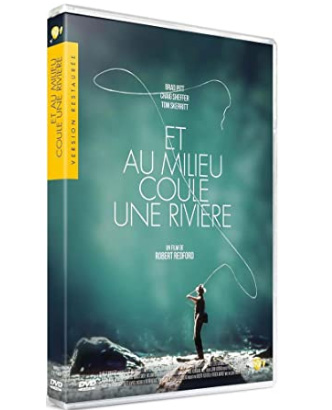
A River Runs Through It
Synopsis
Set in the majestic mountains and rivers of Montana from the 1910s through the 1930s, Norman and Paul Maclean are two close brothers raised by their strict Presbyterian minister father, who teaches them strict morals and an absolute reverence for fly fishing. As they grow into young men, their paths diverge: Norman leaves for university and a literary career, while Paul stays behind, developing a dangerous, reckless passion for gambling, whiskey, and river fishing. Despite their different paths, the brothers share an unbreakable spiritual bond tied to the rushing rivers of Montana. Through fly fishing and family tragedy, they learn to understand and love each other across life's unpredictable currents.
The Making of the Film
Director Robert Redford adapted the film from Norman Maclean's beloved 1976 autobiographical novella. Redford fought for years to secure the cinematic rights, wanting to honor the poetic prose, majestic Montana landscapes, and the spiritual philosophy of fly fishing as a metaphor for life and grace.
Critical Reception
Professional critics universally acclaimed the film as a cinematic masterpiece, praising its breathtaking Philippe Rousselot cinematography, meditative pacing, stellar ensemble performances—including a breakout role for Brad Pitt—and Robert Redford's sensitive direction.
The general public embraced the film warmly, turning it into a box office success and a beloved classic.
The film won the Academy Award for Best Cinematography, alongside two additional Oscar nominations.
Behind-the-Scenes Stories
Director Robert Redford drew inspiration from Norman Maclean's poetic book, western Montana geography, and traditional fly-fishing techniques. Production required shooting on pristine, protected rivers in Montana and Wyoming, with actors undergoing extensive fly-casting training.
During the filming of the intricate river fishing sequences, Brad Pitt practiced his dry-fly casting repeatedly under the guidance of professional anglers.
Initially, various directors and studios passed on the quiet autobiographical novella before Redford brought its poetic vision to life.
Themes Explored
The film explores brotherhood, paternal expectations, fly fishing as spiritual meditation, grief, and the passage of time.
Ending Explained
The ending shows an elderly Norman reflecting on his lost family members while fly fishing in the Montana river, reciting his father's immortal words about how all things merge into one and a river runs through it.
Meaning of the Title
The title 'A River Runs Through It' symbolizes both the literal rivers of Montana where the brothers bond and the spiritual, flowing current connecting memory, family, and mortality.
Similar Films
Legends of the Fall, The Legend of Bagger Vance, Dances with Wolves, Field of Dreams