

 Français
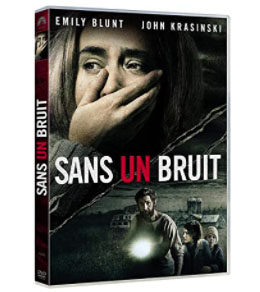
A Quiet Place
Synopsis
This tense, terrifying supernatural horror masterpiece follows a close-knit family of four living on an isolated farm in a post-apocalyptic world who must navigate their daily lives in absolute, pin-drop silence to avoid being hunted down by blind, hyper-sensitive extraterrestrial creatures that hunt exclusively by sound. Communicating entirely through American Sign Language and walking on sanded paths barefoot, the family struggles to maintain normalcy while the mother is heavily pregnant. When a tragic accident occurs and a newborn baby is on the way, the parents must figure out how to protect their children from a relentless acoustic predator. It is a brilliant, nail-biting triumph.
The Making of the Film
The project originated from spec script writers Bryan Woods and Scott Beck's idea to craft a terrifying monster movie centered around absolute silence, which eventually landed at Paramount Pictures. Actor-turned-director John Krasinski read the script, fell in love with the high-concept premise, and radically rewrote it to focus on a deeply emotional family metaphor about the terrifying anxieties of parenthood. Inspiration was drawn from classic silent cinema, classic monster features, and parental protection instincts. The creative team aimed to produce an intensely original cinematic nightmare.
Critical Reception
Critics offered widespread, rapturous acclaim, praising Krasinski's visionary direction, the ingenious use of sound design, and Emily Blunt and Millicent Simmonds' powerhouse lead performances. Reviewers noted that Krasinski successfully transformed a standard creature feature into an emotionally rich, white-knuckle thriller driven by universal parental fears. The brilliant acoustic conceit—where any accidental noise brings instant death—kept audiences holding their breath. It was immediately recognized as a landmark triumph in modern horror cinema.
Audience reception was massive and historic, driving the film to sensational box office success worldwide on a modest budget and turning it into a massive cultural phenomenon. Viewers on public platforms praised the nail-biting bathtub birth sequence, terrifying nail-on-stairs moment, and emotional family bonds. Fans of horror cinema celebrated its fresh, highly inventive approach to creature features. Word-of-mouth sustained massive global popularity.
Awards season brought major triumph, securing an Academy Award nomination for Best Sound Editing, alongside numerous critics' association wins for horror and screenplay. Emily Blunt won a Screen Actors Guild Award for her stellar performance. These accolades cemented its status as a modern masterpiece of horror suspense.
Behind-the-Scenes Stories
The director drew visual inspiration from classic Spielbergian family adventures, desolate prairie photography, and minimalist set design to establish a quiet, tense aesthetic. Every room of the farmhouse and surrounding cornfields was constructed to reflect careful acoustic engineering, featuring soft lighting and tactile floorboards. The production team collaborated with deaf actors and sign-language coaches to ensure that the family's non-verbal communication felt completely natural and integral to the story. These artistic choices created a fully immersive world.
Production presented fascinating logistical and technical hurdles, requiring the cast and crew to maintain extreme quiet on set during sound-sensitive takes to capture authentic acoustic reactions. Millicent Simmonds, who is deaf in real life, provided invaluable guidance to her co-stars regarding authentic deaf culture and communication. Shooting on location in upstate New York exposed the crew to freezing weather conditions. Furthermore, managing the infant actors required obsessive scheduling from assistant directors.
During the filming of the terrifying nail-on-stairs sequence, Emily Blunt executed her agonizing, silent pain with total fearless commitment, terrifying the crew with her realism. To maintain authentic tension, John Krasinski utilized specialized sound editing that completely cut out ambient noise during monster attacks. The crew utilized warm, earthy lighting to accentuate the family farmhouse bond. This rigorous dedication resulted in immortal cinematic moments.
Casting was anchored by real-life married couple John Krasinski and Emily Blunt, whose genuine chemistry brought profound emotional credibility to the parents. Millicent Simmonds was chosen for her powerful screen presence and deaf authenticity. Supporting roles featured Noah Jupe as the terrified young son. This star-studded casting strategy was the absolute secret to the film's emotional success.
Themes Explored
The narrative deeply explores themes of parental sacrifice, unconditional love, and protecting children from external dangers. It examines grief, guilt over past family tragedies, and the power of non-verbal communication. Additionally, it highlights resilience, community, and fighting back against insurmountable odds. Ultimately, the film reflects on family unity, courage, and what parents will endure to save their kids.
Ending Explained
Evelyn and her children retreat to the cellar while monsters invade the farmhouse, where Regan realizes that the audio feedback loop from her hearing aid painfully disorients the creatures, giving Evelyn the opening she needs to blast the wounded monster with a shotgun. As the remaining monsters close in on the cellar, Evelyn cocks her shotgun with grim determination, ready to fight to the death. The thrilling conclusion celebrates ultimate maternal heroism and the birth of hope.
Meaning of the Title
The title directly references the deadly rule of survival required in a world terrorized by acoustic predators ("A Quiet Place").
Original Soundtrack
The minimalist, suspenseful musical score by Marco Beltrami received high praise for utilizing silence and sudden orchestral stingers to maximize heart-stopping terror.
Similar Films
Films sharing similar monster survival, creature feature, and high-tension horror themes include Don't Breathe (2016), It Follows (2014), and Bird Box (2018).