

 Français
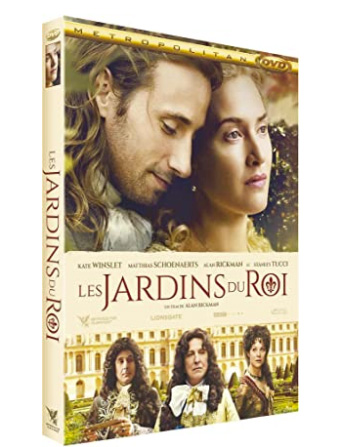
A Little Chaos
Synopsis
Set in 17th-century France during the reign of King Louis XIV, a talented and independent female landscape architect named Sabine is hired to design one of the grand rock and water garden rooms at the newly constructed Palace of Versailles. Working under the strict, formal supervision of the royal landscape architect André Le Nôtre, Sabine brings a rebellious, artistic flair that challenges the rigid, mathematical symmetry favored at court. As they work together amidst palace intrigue, aristocratic gossip, and court politics, a deep professional and romantic bond blossoms between them. Her visionary floral creation transforms the royal gardens into a monument of art and passion.
The Making of the Film
Director Alan Rickman directed the lavish historical drama from a screenplay co-written by Allison Deegan and Jeremy Brock. The inspiration stemmed from wanting to explore the untold artistic freedom and struggles of women in 17th-century court horticulture under the Sun King. The production team aimed to construct an authentic, opulent period aesthetic shot on location in historic English estates standing in for Versailles. The script focused heavily on grief, artistic expression, and royal garden design.
Critical and Reception
Professional critics gave mixed reviews, praising the film's gorgeous costume design, lush period atmosphere, and Kate Winslet and Matthias Schoenaerts's stellar lead performances, while noting conventional romantic drama plotting. Audiences appreciated the sumptuous costume drama, resulting in a solid international box-office release. Reviewers noted that the film served as a fitting final directorial farewell for the late Alan Rickman. The movie secured a strong reputation among fans of period romance.
Filming Anecdotes
Director Alan Rickman drew inspiration from 17th-century French landscape art, Versailles history, and classical period dramas. Production faced intricate scheduling challenges coordinating elaborate period wardrobe and muddy garden construction sets in England. During the royal court and garden design sequences, Kate Winslet maintained an earthy, independent presence. The studio fully supported Rickman's sophisticated directorial vision.
Themes Explored
The film explores landscape art, grief, female independence, royal court politics, and romance. It examines how artistic passion can soften rigid architectural rules. Nature versus symmetry serves as the central design conflict. Additionally, 17th-century French court life provides an opulent backdrop.
Explanation of the Ending
The narrative concludes with Sabine's magnificent garden room unveiled to the delight of King Louis XIV, who praises its organic beauty and grants Sabine her royal standing, while she and André Le Nôtre embrace their enduring love, stepping into a bright future together. Palace intrigues dissolve into mutual artistic respect. The final shots capture the breathtaking fountains of Versailles. The resolution provides a peaceful, romantic closure to the period drama.
Meaning of the Title
The title refers directly to the ideological clash between strict architectural order and 'a little chaos' in nature, symbolizing Sabine's artistic philosophy of blending organic freedom with royal design. It signifies creativity, spontaneity, and art. The name creates an evocative, poetic hook for a period romance. It captures the central thematic motif of the film.
There are no recent major developments or active news items regarding this film.