

 Français
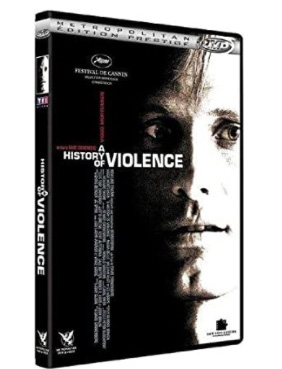
A History of Violence
Synopsis
Tom Stall leads a quiet, peaceful life as a respected diner owner and family man in a small Indiana town. His idyllic existence is shattered overnight when he thwarts a violent armed robbery, displaying lethal expert reflexes that instantly make him a media hero. However, his newfound fame attracts the attention of a scarred mobster from Philadelphia who insists Tom is actually Joey Cusack, a ruthless hitman with a bloody past. As dangerous gangsters arrive in town seeking old vendettas, Tom must protect his wife and children while confronting the buried identity he tried so hard to escape. The ensuing confrontation exposes how easily civil veneer can be stripped away by primal violence.
The Making of the Film
Director David Cronenberg adapted the film from John Wagner and Vince Locke's acclaimed 1997 graphic novel of the same name. The filmmaker was initially unaware it was based on a comic book when he first read the script, but he was instantly drawn to its exploration of hidden identities and small-town American vulnerability. New Line Cinema backed the project, allowing Cronenberg to infuse the pulp thriller with his signature psychological depth and philosophical inquiries into human nature. The production focused on contrasting the serene surface of Midwestern family life with sudden, explosive bursts of brutality.
Critical Reception
Professional reviews were overwhelmingly rapturous, with critics hailing the film as a masterwork of modern American cinema and one of Cronenberg's finest achievements. Reviewers praised Viggo Mortensen's stellar lead performance, Maria Bello's nuanced portrayal, and the sharp screenplay that subverts traditional action tropes. It achieved widespread international critical acclaim and dominated major film critic association polls worldwide. Public reception was enthusiastic, drawing strong box office returns for an independent thriller and captivating audiences with its psychological tension. Word-of-mouth solidified its status as a modern classic. Awards recognition included Academy Award nominations for Best Supporting Actor for William Hurt and Best Adapted Screenplay, cementing its prestige legacy.
Shooting anecdotes
Director David Cronenberg drew inspiration from classic American noir cinema and suburban crime dramas. Production encountered smooth scheduling across locations in Ontario, Canada, which successfully doubled for small-town Indiana. During the intense family dinner confrontation sequence, Viggo Mortensen and Maria Bello improvised subtle emotional cues that heightened the authentic domestic tension. Initial casting discussions considered several major actors before Viggo Mortensen secured the lead role.
Themes explored
The film explores hidden identity, the cycle of violence, family protection, the fragility of suburban peace, and primal instincts. It examines how a person's past can catch up with them regardless of how hard they try to reinvent themselves. It also highlights the psychological cost of bloodlust.
Explanation of the ending
The tense final scene shows Tom returning to his family home in silence, where his wife wordlessly sets a place for him at the dinner table, indicating tacit acceptance of his true identity. It leaves the ultimate fate of their fractured family delicately unresolved.
Meaning of the title
The title refers both to the protagonist's personal history of violence and the broader historical cycle of human aggression that underpins society.
Howard Shore's haunting and minimalist orchestral score received widespread critical acclaim for amplifying the film's underlying dread and familial sorrow.
Eastern Promises, Fargo, Blue Ruin, No Country for Old Men