

 Français
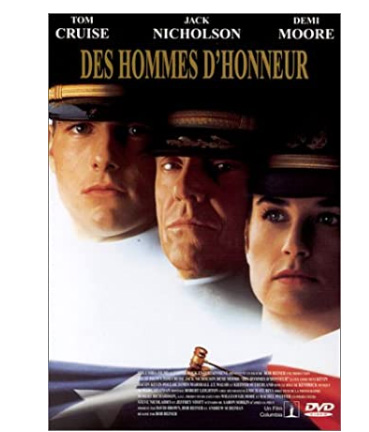
A Few Good Men
Synopsis
A confident military lawyer with a penchant for plea bargains is assigned to defend two U.S. Marines accused of murdering a fellow soldier at Guantanamo Bay. Teaming up with a passionate co-counsel, he uncovers evidence suggesting the brutal hazing ritual was ordered directly by a high-ranking commanding officer. As the high-profile court-martial trial unfolds, they must battle military bureaucracy, institutional loyalty, and intimidation. Ultimately, the trial culminates in a tense courtroom showdown to extract the truth.
The Making of the Film
Director Rob Reiner brought Aaron Sorkin's hit Broadway play to the screen after being captivated by its sharp dialogue and dramatic tension. The inspiration for Sorkin's original play came from a real-life phone conversation with his sister, who served as a military lawyer defending Marines in a hazing case. The production team wanted to maintain the theatrical intensity of the courtroom while expanding the cinematic scope. The script underwent careful refinement to deliver iconic, memorable legal arguments.
Critical and Reception
Professional critics heaped widespread critical acclaim upon the film, praising its brilliant screenplay, taut direction, and powerhouse ensemble performances. Audiences turned the legal drama into a massive commercial blockbuster and a cultural touchstone of 1990s cinema. The film earned multiple Academy Award nominations, including Best Picture, cementing its legacy as a masterpiece of the courtroom drama genre. Dialogue lines from the film remain universally quoted in popular culture today.
Filming Anecdotes
Director Rob Reiner drew inspiration from classic courtroom dramas and military procedural traditions. Production faced intense preparation periods, with the actors undergoing military training and rigorous line rehearsals to master Sorkin's rapid-fire dialogue. During the filming of the famous climax on the witness stand, Tom Cruise and Jack Nicholson delivered their intense verbal sparring with electrifying authenticity. The studio assembled an all-star supporting cast, creating an elite environment of dramatic talent on set.
Themes Explored
The film explores institutional honor, duty, the chain of command, and the moral boundaries of following orders. It examines the conflict between military code and individual human conscience. Truth and accountability serve as the ultimate moral anchors driving the legal defense. Additionally, class and military hierarchy highlight systemic power dynamics.
Explanation of the Ending
The narrative concludes with the court-martial finding the defendants not guilty of murder but guilty of conduct unbecoming, leading to their honorable discharge. More importantly, the commanding officer cracks under cross-examination, angrily shouting a confession that he ordered the code red, leading to his immediate military arrest. The final courtroom moments provide an explosive sense of justice and triumph. It leaves viewers with a powerful message about responsibility and truth.
Meaning of the Title
The title refers to the elite corps of U.S. Marines and the military justice system tasked with upholding honor and integrity. It signifies the small circle of honorable individuals willing to stand up for the truth against institutional corruption. The name adds a patriotic and dramatic framing to the courtroom battle. It serves as a classic phrase defining moral integrity in uniform.
There are no recent major developments or active news items regarding this film.
A Few Good Men shares thematic similarities with legal dramas like 'Primal Fear', 'The Verdict', and 'A Time to Kill'. Fans of intense courtroom thrillers will appreciate its masterful dialogue.