

 Français
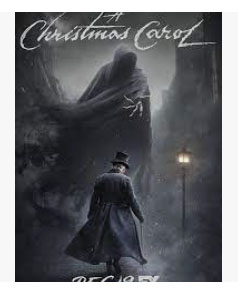
A Christmas Carol
Synopsis
Set in Victorian London during a freezing, gloomy Christmas Eve in 1843, a cold-hearted, miserly old businessman named Ebenezer Scrooge sits counting his coins in his dark counting house, treating his impoverished clerk Bob Cratchit with cruel indifference. Visited by the terrifying ghost of his former business partner Jacob Marley, Scrooge is warned that he must repent his greedy ways or suffer eternal damnation in the afterlife. Over the course of a harrowing night, Scrooge is guided by the ghosts of Christmas Past, Present, and Yet to Come through haunting visions of his past mistakes and bleak future. The dark fantasy miniseries delivers chilling gothic horror and redemptive emotional power.
The Making of the Film
Creator and screenwriter Steven Knight developed the dark, gritty three-part television adaptation of Charles Dickens's immortal holiday classic, working alongside Ridley Scott as executive producer. The inspiration stemmed from stripping away the cozy holiday sentimentality of past adaptations to emphasize the brutal Victorian poverty, psychological trauma, and raw gothic horror embedded in Dickens's original text. The production team invested heavily in elaborate Victorian London soundstage sets, gloomy fog effects, and visceral costume design. The script was meticulously structured as a psychological ghost story.
Critical Reception
Professional critics gave generally positive reviews, praising the miniseries' daringly dark gothic atmosphere, inventive psychological framing, and a powerhouse lead performance by Guy Pearce as a deeply unhinged Scrooge. Reviewers noted that Knight successfully restored the biting social critique and chilling supernatural terror of Dickens's novel. Public reception was warmly enthusiastic across holiday broadcasting windows, turning it into a compelling alternative festive viewing staple. The film earned technical production award recognition.
Behind-the-Scenes Stories
Director Nick Murphy drew visual inspiration from 19th-century Victorian painting, gothic horror cinema, and Charles Dickens's historical London accounts. Production took place on expansive soundstages in England, constructing detailed, mud-soaked Victorian alleyways and shadowy parlors. During the filming of intense ghostly visitation sequences, lead actor Guy Pearce maintained harrowing emotional intensity. The production utilized practical fog and lighting effects rather than heavy digital CGI.
Themes Explored
The themes explored include redemption, greed versus generosity, Victorian poverty, psychological trauma, mortality, and the ghosts of the past.
Ending Explained Ending Explained The emotional redemptive climax shows Scrooge waking up on Christmas morning transformed, joyfully embracing Bob Cratchit's family and dedicating his life to charity.
Meaning of the TitleMeaning of the Title The title A Christmas Carol refers directly to the classic holiday fable celebrating spiritual rebirth, generosity, and community joy.
Original Soundtrack Volker Bertelmann (Hauschka) composed a haunting, atmospheric gothic score featuring eerie prepared piano melodies and somber strings that anchored the Victorian chill.
Similar Films Crimson Peak, The Woman in Black, Oliver Twist