

 Français
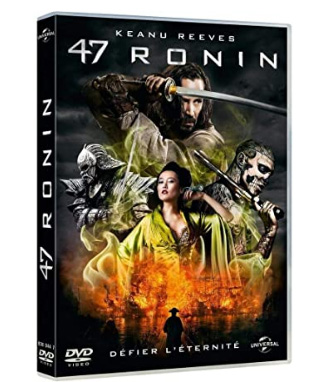
47 Ronin
Synopsis
47 Ronin is a visually dazzling, fantasy-infused historical action epic directed by Carl Rinsch. Set in feudal Japan, the story follows a band of forty-seven masterless samurai, known as ronin, who seek bloody revenge against a treacherous, corrupt lord and an evil shape-shifting witch who murdered their master and dishonored their clan. To achieve vengeance, they recruit Kai, a half-breed outcast with mysterious supernatural abilities who was raised in the enchanted forests by mythical tengu creatures. As the disgraced warriors embark on a suicidal quest for honor, they must battle dark sorcery, monstrous beasts, and overwhelming armies. The film blends Japanese folklore with Hollywood action spectacle.
The Making of the Film
Director Carl Rinsch made his feature directorial debut on the massive-budget fantasy project, aiming to reimagine the legendary Japanese historical tale of the Ako vendetta with high-end fantasy creatures and samurai action. Universal Pictures backed the production, constructing elaborate sets and utilizing extensive digital visual effects to bring mythical Japanese folklore to life. Keanu Reeves was cast as the lead outcast Kai, undergoing intense martial arts and samurai sword training. The film experienced extensive post-production reshoots and budget expansions.
Critical Reception
Professional critics offered predominantly negative reviews upon release, criticizing the film for its bloated budget, sluggish pacing, and wooden dialogue. Reviewers noted that despite stunning costume design and Keanu Reeves's stoic presence, the blend of historical samurai tragedy with heavy fantasy CGI felt hollow and disjointed. However, fantasy and action fans appreciated its sumptuous production design, monster fights, and atmospheric world-building. It became a notable box office bomb during its theatrical run.
Audiences experienced mixed box office returns, but home video and streaming audiences found it to be an entertaining, visually polished fantasy popcorn flick. Word-of-mouth established its reputation as a misunderstood stylistic curio.
The film earned minimal formal award recognition, remaining a notable technical and visual effects showcase.
Behind-the-Scenes Stories
Director Carl Rinsch drew inspiration from classic Japanese samurai cinema, kabuki theater, and traditional Edo-period folklore regarding mythical beasts and demons. Coordinating the complex sword-fighting choreography required Keanu Reeves and the ensemble cast to undergo months of rigorous martial arts training. During the filming of the snowy forest scenes, the crew utilized detailed soundstages and practical winter sets. Before Keanu Reeves was locked in, various casting configurations were explored during early development.
Themes Explored
Honor, Vengeance, Samurai, Feudal Japan, Mythical Beasts, Outcast
Ending Explained
The tragic and honorable finale shows the surviving ronin committing ritual suicide (seppuku) to uphold their code of honor after successfully avenging their master.
Meaning of the Title
The title directly references the historical Japanese legend of the forty-seven masterless samurai seeking vengeance.
Original Soundtrack
Ilan Eshkeri composed a sweeping, thunderous orchestral score featuring traditional Japanese taiko drums and choral arrangements that heightened the epic samurai atmosphere.
The Last Samurai, 13 Assassins, Crouching Tiger, Hidden Dragon, Wrath of the Titans