

 Français
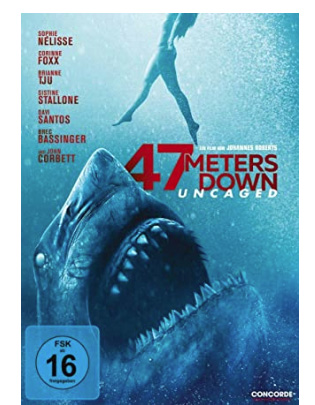
47 Meters Down: Uncaged
Synopsis
Four teen girls diving in a ruined underwater city discover that the sunken ruins are also the hunting ground for massive, deadly great white sharks. As their oxygen supplies dwindle and the labyrinthine tunnels collapse around them, they must fight desperately to escape their watery grave. Panic and betrayal test their friendships in the darkest depths of the ocean. Every turn brings them closer to becoming the next meal for the blind predators.
The Making of the Film
Director Johannes Roberts wanted to expand on the claustrophobic success of the first film by taking the survival horror concept into a much larger, completely unique setting. The inspiration came from combining extreme cave diving exploration with deep-sea creature features. The production team researched real underwater ruins and subterranean sinkholes to create a believable yet terrifying environment. Screenwriters aimed to increase the emotional stakes by focusing on a group of stepsisters and friends trying to bridge their fractured relationships.
Critical Reception
Professional reviews were generally mixed, with critics noting that while it offered decent jump scares, it followed predictable creature-feature formulas. Reviewers praised the effective use of darkness and underwater claustrophobia to build tension throughout the runtime. However, some felt the script lacked originality compared to the first installment.
Public reception was fairly positive among horror and shark-movie enthusiasts who appreciated the fast-paced thrills and relentless action sequences. Viewers enjoyed the eerie atmosphere of the sunken Mayan city as a refreshing backdrop for a monster film. Word-of-mouth helped it perform decently at the box office relative to its modest budget.
Awards and major accolades were absent, as the film was designed purely as commercial genre entertainment rather than an awards contender. Its success was measured solely by its profitability and fan engagement within the survival horror community.
Shooting anecdotes
Director Johannes Roberts drew inspiration from classic claustrophobic horror movies set in enclosed spaces, translating that tension to an underwater domain.
Production faced massive technical hurdles filming inside specialized water tanks where actors had to perform complex stunt work while wearing heavy diving gear.
During a tense underwater escape sequence, the young lead actresses had to hold their breath for extended periods while coordinating precise movements around animatronic shark props.
Initial casting sought rising young talent with strong physical endurance capable of handling rigorous stunt training in wet environments for weeks.
Themes explored
The film explores survival instincts, sibling rivalry, overcoming deep-seated fears, and claustrophobic dread. It highlights how panic can destroy teamwork when individuals face mortal danger. It also examines the terrifying vulnerability of humans in unfamiliar predatory habitats.
Explanation of the ending
The ending reveals the surviving girls making it to the ocean surface just in time, escaping the shark-infested ruins in a dramatic rescue. It provides a classic triumphant conclusion to a harrowing ordeal of endurance.
Meaning of the title
The title indicates a sequel to the original film while highlighting that the characters are trapped without protective shark cages in a wide-open underwater maze.
The Shallows, 47 Meters Down, Open Water, Crawl