

 Français
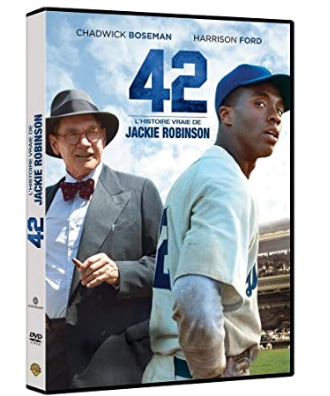
42
Synopsis
The groundbreaking historical drama chronicles the legendary baseball career of Jackie Robinson as he breaks Major League Baseball's infamous color barrier in 1947. Recruited by visionary Brooklyn Dodgers executive Branch Rickey, Robinson faces intense racial hostility from opposing teams, fans, and even his own teammates. Exhibiting extraordinary courage, he chooses to let his stellar athletic performance and stoic restraint do the talking. His historic debut forever changes the landscape of American sports and civil rights.
The Making of the Film
Writer-director Brian Helgeland spent years developing the project, determined to honor the immense historical weight of Jackie Robinson's legacy without sugarcoating the brutal racism of the era. Producer Thomas Tull worked closely with the Robinson estate, including Rachel Robinson, to ensure authentic historical representation and emotional accuracy. The production team meticulously reconstructed historic ballparks, uniforms, and equipment from the late 1940s to transport viewers back in time. Warner Bros. heavily backed the film as a prestigious event picture aiming to educate younger generations on civil rights milestones. The casting process sought actors who could embody both the athletic prowess and the stoic grace required for the lead roles.
Critical Reception
Critics generally praised the film for its reverent storytelling, strong production values, and Chadwick Boseman's commanding breakout performance as Jackie Robinson. Reviewers noted that while the narrative adopted a traditional classical Hollywood biopic structure, its emotional impact remained undeniable. Audiences flooded theaters, making it a major box-office success and sparking vital conversations about sports history and civil rights. Harrison Ford also received widespread acclaim for his nuanced portrayal of Branch Rickey. It cemented its place as an essential modern sports classic.
Behind-the-Scenes Stories
Brian Helgeland drew inspiration from classic historical biographies and archival newsreel footage of post-war America. Chadwick Boseman dedicated months to studying old baseball footage, practicing batting stances, and understanding Robinson's physical posture. During filming at historic ballparks across the American South, the cast and crew experienced the heavy emotional weight of recreating notorious racist taunts. Harrison Ford wore specialized dental prosthetics and padding to capture Branch Rickey's distinct physical appearance and mannerisms.
Themes Explored
The narrative explores the high cost of courage, systemic racism, and the burden of representation placed upon pioneers breaking social barriers. It examines the partnership between allyship and personal endurance in fighting institutional oppression. Furthermore, it highlights the unifying power of sports in bridging cultural divides.
Ending Explained
Jackie Robinson triumphs through a grueling rookie season, earning the respect of his teammates and leading the Dodgers to the World Series while keeping his promise not to retaliate. The final scenes celebrate his undeniable athletic excellence and the permanent fracture of segregation in professional baseball. A concluding epilogue outlines his continued civil rights activism and legendary legacy.
Meaning of the Title
Reference is made to Robinson's iconic jersey number 42, which was later retired across all of Major League Baseball to honor his historic contribution to the sport.
Other historical civil rights and biographical sports films such as Ali, Invictus, and The Express.