

 Français
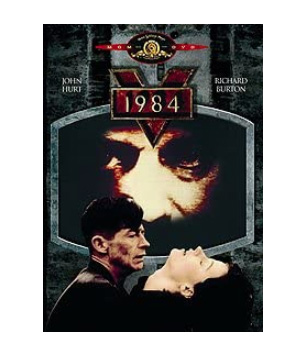
1984
Synopsis
Set in a dystopian totalitarian superstate ruled by the omnipresent Party and its supreme leader, Big Brother, low-ranking bureaucrat Winston Smith secretly harbors rebellious thoughts against the regime. In a world of perpetual war, ubiquitous surveillance through telescreens, and historical revisionism, Winston begins a forbidden love affair with a rebellious coworker named Julia. Together, they seek refuge in a rented room above an antique shop, believing they can escape the watchful eye of the Thought Police. Their fragile hope is shattered when they are betrayed, leading to a harrowing descent into the brutal Ministry of Love.
The Making of the Film
Based on George Orwell's seminal 1949 dystopian novel, the film adaptation was meticulously timed to coincide as closely as possible with the actual calendar year depicted in the title. Director Michael Radford was determined to create an uncompromising, visually authentic cinematic representation of Orwell's bleak totalitarian nightmare, eschewing futuristic science-fiction tropes in favor of a grim, decaying retro-industrial aesthetic. The production secured filming permissions in London precisely during the exact months specified in the novel, utilizing authentic historical locations to enhance grim realism.
Critical Reception
Upon its release, 1984 received widespread critical acclaim for its haunting atmosphere, fidelity to Orwell's source material, and exceptional lead performances by John Hurt and Richard Burton. Reviewers particularly praised Richard Burton in his final film role as the chilling, intellectual interrogator O'Brien, alongside John Hurt's devastating portrayal of Winston Smith. Critics lauded the film for capturing the suffocating psychological terror and ideological dread of totalitarianism. It remains a definitive and enduring cinematic adaptation of literary masterworks.
Behind-the-Scenes Stories
Cinematographer Roger Deakins utilized a special bleaching chemical process on the film stock to strip away vibrant colors, creating a drab, washed-out visual tone that mirrored the oppressed society. John Hurt underwent significant physical weight loss and emotional exhaustion to authentically convey the malnourished, terrified state of Winston Smith. Richard Burton completed all of his demanding interrogation scenes while battling failing health, yet delivered every line with chilling, flawless authority. The production team constructed sprawling, gray bureaucratic sets that heavily emphasized the crushing scale of state surveillance.
Themes Explored
The film serves as a terrifying exploration of totalitarian state control, extreme surveillance, and the systematic erasure of historical truth. It examines how language, psychological torture, and fear can be weaponized to break human individuality and free will. Furthermore, it explores the fragility of human love and resistance under absolute tyranny.
Explication_fin
Following months of relentless physical and psychological torture inside Room 101, Winston is finally broken after being confronted with his worst nightmare, completely betraying Julia. In the chilling final scene, Winston sits in the Chestnut Tree Cafe, having fully abandoned his rebellion and learned to love Big Brother with all his heart. The tragic conclusion emphasizes the absolute victory of state indoctrination over human spirit.
Meaning of the Title
The title 1984 refers directly to the futuristic year chosen by George Orwell when he wrote the novel in 1948, created by transposing the final two digits. It establishes an ominous temporal milestone symbolizing the ultimate realization of totalitarian bureaucratic control. The title has since transcended cinema and literature to become a universal cultural shorthand for surveillance states and censorship.
Dominic Muldowney's haunting orchestral score was famously accompanied by an alternate score composed by Eurythmics, creating a fascinating historical controversy surrounding the film's musical identity.
Brazil, Metropolis, Children of Men, The Handmaid's Tale