

 Français
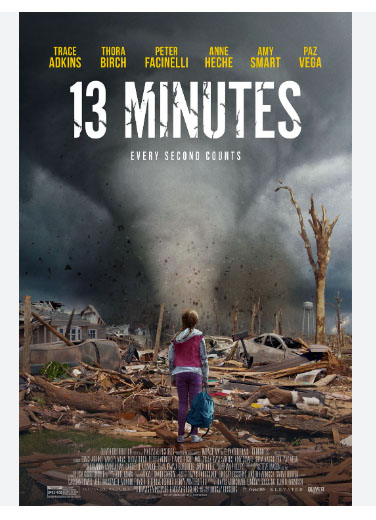
13 Minutes
Synopsis
In a small American Oklahoma town, residents are given a mere thirteen minutes of warning before a massive, catastrophic tornado strikes their community. As sirens blare, families from all walks of life must scramble for shelter while confronting long-held secrets, prejudices, and personal crises. In the terrifying seconds leading up to the impact, neighbors must put aside their differences to protect one another. The aftermath forces the survivors to rebuild their shattered town and find strength in unity.
The Making of the Film
Director Lindsay Gossling developed the project to showcase both the terrifying fury of natural disasters and the resilience of small-town communities. The screenplay was meticulously researched using accounts from real-life tornado survivors to ensure meteorological and emotional accuracy. The production team invested heavily in practical wind and debris effects to make the storm sequences feel visceral and terrifying. Filmmakers aimed to blend pulse-pounding disaster thrills with grounded human drama.
Critical Reception
Critics offered mixed reviews, praising the film's ambitious scope and terrifying tornado sequences while noting that the crowded ensemble plot felt stretched thin. Reviewers commended the commitment of the diverse cast and the realistic portrayal of emergency panic. Some critics felt that juggling too many subplots detracted from the emotional impact of the main disaster. Nevertheless, it was acknowledged as a tense and gripping disaster thriller.
Audiences who enjoy high-stakes disaster movies appreciated the intense pacing and the sheer destructive power of the storm scenes. Viewers found the suspense effective, particularly during the frantic countdown moments before impact. The themes of community solidarity and resilience resonated strongly with everyday moviegoers. It became a popular choice for fans of weather-based thrillers.
While it did not capture major Academy awards, the film received recognition for its technical achievements in sound design and visual effects. The tornado simulation sequences earned praise from disaster-genre enthusiasts. It successfully carved out a niche as a modern addition to classic weather disaster cinema.
Behind-the-Scenes Stories
Director Lindsay Gossling was inspired by the terrifying beauty and unpredictability of Tornado Alley weather phenomena. She wanted to explore how catastrophic events test community bonds and force people to reevaluate their daily petty grievances. Real meteorological safety protocols heavily influenced the tactical decisions made by characters on screen.
Simulating a category-5 tornado required complex coordination between stunt teams, visual effects artists, and practical wind machines. The cast performed under intense physical conditions, battling high-speed wind, dust, and debris. Maintaining emotional continuity amidst roaring sound stages posed a significant challenge for the actors.
During the harrowing storm shelter scenes, the actors experienced authentic adrenaline rushes due to the deafening noise of the practical wind and debris rigs. The crew used specialized air cannons to hurl safe, lightweight debris safely across the set around the cast. This practical immersion helped elicit genuine expressions of terror and urgency.
An ensemble cast featuring Amy Smart, Thora Birch, Anne Heche, and Trace Adkins was assembled to portray the interconnected townspeople. The casting directors sought performers who could instantly establish relatable, lived-in relationships within limited screen time. The diverse group of characters represented various social strata within the rural community.
Themes Explored
The film explores community solidarity, human resilience in the face of nature's fury, and the sudden irrelevance of petty social divisions during a crisis. It highlights how ordinary people can transform into heroes when others are in mortal danger. The narrative also examines the psychological trauma and recovery process following catastrophic community disasters.
Ending Explained
The survivors emerge from the wreckage to find their town utterly devastated, yet immediately begin the arduous task of searching for neighbors and rebuilding. The final moments emphasize community unity and hope as people band together to clear the debris and comfort one another. The ending offers an uplifting message about the indomitable human spirit overcoming natural tragedy.
Meaning of the Title
The title "13 Minutes" refers to the exact warning time given to the town's residents before the massive tornado makes landfall. It creates an immediate sense of racing against the clock and emphasizes how quickly life can change forever. The title serves as a ticking-clock device that drives the tension of the entire narrative.
Latest News
The film continues to stream on digital platforms, maintaining a steady following among disaster movie enthusiasts.
Similar Films
Fans of disaster thrillers will enjoy Twister (1996), Into the Storm (2014), The Day After Tomorrow (2004), and San Andreas (2015), all featuring intense confrontations with extreme natural forces.