

 Français
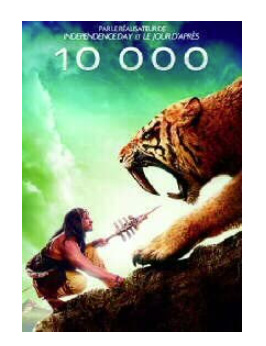
10,000 BC
Synopsis
Set in a prehistoric era of mammoths and ancient empires, D'Leh is a young hunter in a remote mountain tribe whose peaceful life is shattered when mysterious raiders pillage his village and kidnap his beloved Evolet. Determined to rescue her, D'Leh leads a small band of loyal warriors across treacherous uncharted lands, encountering foreign tribes and terrifying beasts. Along the way, he evolves from a simple hunter into an inspirational leader, uniting disparate peoples against a common tyrant. Their epic journey ultimately leads them to the gates of a magnificent, god-like civilization ruling over enslaved masses.
The Making of the Film
Director Roland Emmerich conceived the epic prehistoric adventure out of a lifelong fascination with ancient civilizations, mammoths, and lost worlds. Emmerich wanted to craft a visual spectacle that blended historical mythologies with fictional prehistory, imagining what early human resistance against a tyrannical empire might have looked like. He collaborated closely with co-writer Harald Kloser to build a grand cinematic canvas featuring sweeping landscapes and ancient wonders, drawing inspiration from classical sword-and-sandal epics.
Critical Reception
Professional critics gave the film largely negative reviews, criticizing its historical inaccuracies, thin character development, and derivative plot elements reminiscent of earlier epics. Reviewers did, however, acknowledge the impressive scale of the CGI creature effects and sweeping cinematography.
The general public offered a more favorable response, turning the film into a solid commercial box office success driven by its grand adventure appeal and spectacular prehistoric action set pieces.
The film received minor nominations from visual effects and youth entertainment award ceremonies for its digital mammoths and action choreography.
Filming Anecdotes
Director Roland Emmerich drew inspiration from prehistoric cave paintings, historical documentaries, and classic adventure cinema, utilizing stunning locations across South Africa, Namibia, and New Zealand.
Production faced severe logistical challenges due to unpredictable weather, difficult terrain, and the complex integration of live-action actors with digital prehistoric creatures.
During the filming of the massive mammoth hunt sequence, actors had to perform complex physical choreography while interacting with blue-screen markers representing the giant beasts.
Initially, various alternative script treatments were considered before Emmerich finalized the epic quest narrative focusing on the young hunter's destiny.
Themes Explored
The film explores destiny, tribal unity against tyranny, the courage to lead, and the enduring power of true love across vast wilderness.
Ending Explanation
The ending reveals that D'Leh successfully defeats the tyrannical warlord and frees the enslaved peoples, and although Evolet is briefly wounded during the climax, she is revived, allowing the couple to lead their tribe into a prosperous new era.
Title Significance
The title '10,000 BC' refers to the prehistoric time period in which the fictional epic adventure takes place.
Similar Films
Apocalypto, The 13th Warrior, Quest for Fire, 300